



There are moments in leadership when the truth feels heavy.
Not because we do not know what is true.
Because we do.
What makes truth difficult is the fear that comes with it. Fear of disappointing someone. Fear of being judged. Fear of conflict. Fear of how people will react once reality is spoken out loud.
So we soften it.
We delay the conversation. We edit the message. We tell ourselves we are protecting the team, preserving morale, or keeping the peace.
But often, what looks like protection is really avoidance.
And avoidance always leaves a mark.
I learned this lesson in one of the hardest seasons of my life. When I was sentenced to prison, I had to tell my children the truth about what was happening. Every instinct in me wanted to soften the reality. I wanted to shield them from pain. I wanted to believe that saying less would somehow make it easier for them to carry.
But I knew something deeper was at stake.
Trust.
That moment taught me a lesson that still shapes the way I lead today.
Truth is respect.
That is true in our homes. It is true in our relationships. And it is especially true in leadership.
People can feel when something is off.
A team can sense when a leader is holding back. Employees can tell when feedback has been watered down. Clients know when language has been polished so carefully that it no longer feels real.
When leaders avoid reality, they do not create safety. They create uncertainty.
And when uncertainty grows, people fill in the blanks with their own stories.
That is where confusion grows.
That is where mistrust grows.
That is where performance starts to slip.
Leaders often assume truth is the thing that damages trust. In many cases, the opposite is true.
It is the delay that damages trust.
It is the spin that damages trust.
It is the gap between what people sense and what leaders are willing to say that damages trust.
Honest leadership does not mean brutal leadership. It does not mean saying everything impulsively or without care.
It means being clear enough, grounded enough, and courageous enough to name what is real.
Avoidance rarely looks dramatic at first.
It looks like postponing feedback.
It looks like leaving expectations unspoken.
It looks like pretending a culture problem will fix itself.
It looks like trying to manage emotion instead of telling the truth.
It looks like protecting your image rather than serving the moment.
This is how drift begins.
Drift happens when leaders move away from what they know matters most. It happens slowly. Quietly. Often with good intentions. But the result is the same.
Clarity disappears.
Trust weakens.
Standards slide.
People stop believing what they hear.
This is why truth matters so much in leadership. Truth interrupts drift.
When leaders tell the truth with care, they give people something solid to stand on. They replace confusion with clarity. They replace guessing with understanding. They replace emotional undercurrents with honest direction.
That is not just good communication.
That is leadership.
Most leaders do not avoid the truth because they are careless.
They avoid it because they are human.
Pressure does something powerful to the mind. It narrows perspective. It amplifies fear. It makes discomfort feel dangerous. Under pressure, leaders are more likely to manage perception instead of naming reality.
They may tell themselves:
This is not the right time.
I need to say it more gently.
I do not want to create tension.
I do not want them to think less of me.
I do not want to lose the relationship.
These stories are seductive because they sound responsible. But if we are not careful, they become a self imposed prison. They keep us stuck in image management, people pleasing, and emotional avoidance.
The result is not better leadership.
The result is distance.
In difficult moments, leaders need guardrails for their thoughts.
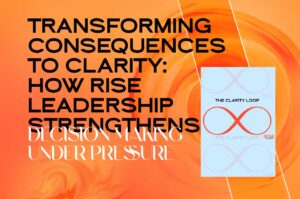
That is why I come back to The Clarity Loop.
Before a difficult conversation, before communicating a tough decision, before avoiding something that needs to be addressed, ask:
What happened and how do I feel?
What story am I believing?
What matters most here?
What choice can I own later?
These four questions slow the moment down. They create space between reaction and response. They help leaders notice whether they are acting from fear, ego, or clarity.
Most importantly, they bring the leader back to values.
Because when the pressure is high, the question is not just what should I say.
The deeper question is who do I want to be in this moment.
A leader who hides.
Or a leader who respects people enough to tell the truth.
Teams do not need perfection from leaders.
They need credibility.
They need consistency.
They need to know that when something matters, it will be addressed. They need to trust that honesty will not be replaced by performance. They need to feel that the culture can hold reality without collapsing under it.
This is what honest leadership creates.
It creates psychological steadiness.
It creates accountability without shame.
It creates trust that can survive pressure.
It creates environments where people do not have to read between the lines to know what is expected, what is valued, and what is real.
That is why truth is not just a communication skill.
It is a culture building practice.
Telling the truth well does not mean being harsh.
It means being direct and human at the same time.
It means not hiding the message, but also not weaponizing it.
It means saying:
Here is what is true.
Here is what matters.
Here is what needs to happen next.
Leaders who do this well create clarity without cruelty. They make room for emotion without becoming ruled by it. They bring steadiness into moments that might otherwise become chaotic or avoidant.
Truth with care sounds like leadership people can trust.
Before your next difficult conversation, write this down:
The truth I am avoiding is ________.
Then ask:
What would respect look like here?
That question changes the quality of leadership fast.
Because respect does not hide.
Respect does not spin.
Respect does not leave people stranded in confusion.
Respect tells the truth.
Leadership is not tested only in polished presentations, public wins, or easy moments.
It is tested in the moments when honesty feels risky.
When a decision must be communicated.
When a standard has slipped.
When a relationship is strained.
When reality is uncomfortable.
When silence would be easier.
Those are the moments that reveal whether a leader is protecting trust or protecting themselves.
Truth may not make the moment easier.
But it makes the relationship stronger.
And in leadership, that matters.
Truth is respect.
Honest leadership means telling the truth with clarity, care, and accountability. It does not mean being harsh or impulsive. It means leaders communicate reality in a way that builds trust instead of confusion.
Truth matters because trust depends on it. When leaders avoid hard conversations, soften reality, or leave gaps in communication, people sense it. That uncertainty can damage culture, morale, and performance.
Leaders build trust by being direct, grounded, and respectful. They name what is true, explain what matters, and communicate what comes next. Clarity creates safety even when the message is difficult.
Drift happens when leaders slowly move away from their values, standards, or clarity under pressure. It often starts with avoidance, vague communication, or delayed accountability. Over time, drift weakens trust and culture.
A strong approach is to pause before reacting and use a decision framework like The Clarity Loop. Ask what happened, what story you are believing, what matters most, and what choice you can own later. This helps leaders respond with clarity instead of fear.
Yes. In fact, the strongest leadership combines both. Honesty without empathy can feel harsh. Empathy without honesty can create confusion. Leaders build trust when they tell the truth with care.