




On December 24, 2007, at 8:00 PM, I was sitting between my two toddlers’ beds, singing their nightly lullaby.
They were two and three years old.
The house was full of relatives. Christmas energy everywhere. None of the presents were wrapped. I was exhausted.
And I was answering email.
As a solo attorney building my practice, I believed my competitive edge was responsiveness. Immediate replies. Fast turnaround. Always available. I wanted to stand out. I wanted clients to feel taken care of.
That night, an email came in that felt urgent.
There was an attachment.
I did not open it.
I forwarded it.
I ignored the tightening in my stomach. I told myself it was just one quick response. I would review it later.
That forwarded email became one of the primary pieces of evidence used against me in a federal case.
I eventually went to federal prison.
Most leaders do not make unethical decisions intentionally.
They make compressed decisions.
When we are overwhelmed, multitasking, or operating under performance pressure, our thinking narrows. We focus on the task. The metric. The response time. The approval.
We stop scanning for long term consequences.
We override intuition because slowing down feels inconvenient.
In behavioral ethics research, this is often referred to as ethical fading. The ethical dimension of a decision becomes less visible when speed and performance dominate our focus.
In today’s environment of digital acceleration, AI tools, regulatory scrutiny, and constant connectivity, leaders are making more decisions, faster than ever before.
Speed is rewarded.
Clarity is not always protected.
The danger is not ambition.
The danger is distraction.
When you are:
• Answering emails during family time
• Approving contracts between meetings
• Responding to clients while mentally elsewhere
• Making high stakes decisions while exhausted
You are more vulnerable to shortcut thinking.
That one forwarded email did not feel like a turning point.
It felt like efficiency.
But small shortcuts compound.
Integrity rarely collapses in one dramatic act. It erodes through repeated moments of inattention.
After a decade of research into cognitive bias, decision science, and leadership under stress, I have learned this:
Clarity must be intentional.
If you are leading in high pressure environments, consider these practices:
These small disciplines prevent major consequences.
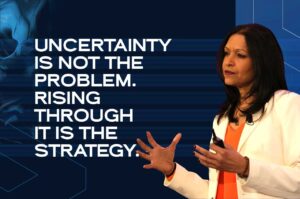
This is the foundation of my Rise Through It® framework. We do not avoid pressure. We learn to rise through it with awareness, courage, and intentional choice.
Technology has increased the speed of communication and decision making.
Clients expect instant responses. Teams operate across time zones. AI generates immediate answers.
But your future is not determined by how quickly you reply.
It is shaped by how clearly you decide.
The most powerful leaders today are not the fastest.
They are the most grounded.
Under stress and urgency, cognitive bandwidth narrows. Leaders focus on immediate tasks and short term relief rather than long term consequences. Multitasking and fatigue increase the risk of oversight.
Ethical fading occurs when the moral aspects of a decision become less visible due to performance pressure, incentives, or urgency. The focus shifts to outcomes rather than values.
Executives can reduce reactive decisions by building structured pause moments, reviewing details before approving, limiting multitasking during high stakes decisions, and aligning choices with clearly defined values.
Multitasking reduces attention to detail, increases errors, and weakens judgment. Leaders who make decisions while distracted are more likely to overlook risk and ethical implications.
Leaders can strengthen integrity by slowing down decision processes, establishing non negotiable review standards, encouraging transparency, and cultivating self awareness of internal pressure narratives.
Final Reflection
I cannot change the email I sent on Christmas Eve in 2007.
But I can teach what it taught me.
Do not let speed define your worth.
Let integrity define your leadership.
Pause. Pay attention. Choose wisely.
That is how we protect our future.
That is how we rise through it®.