



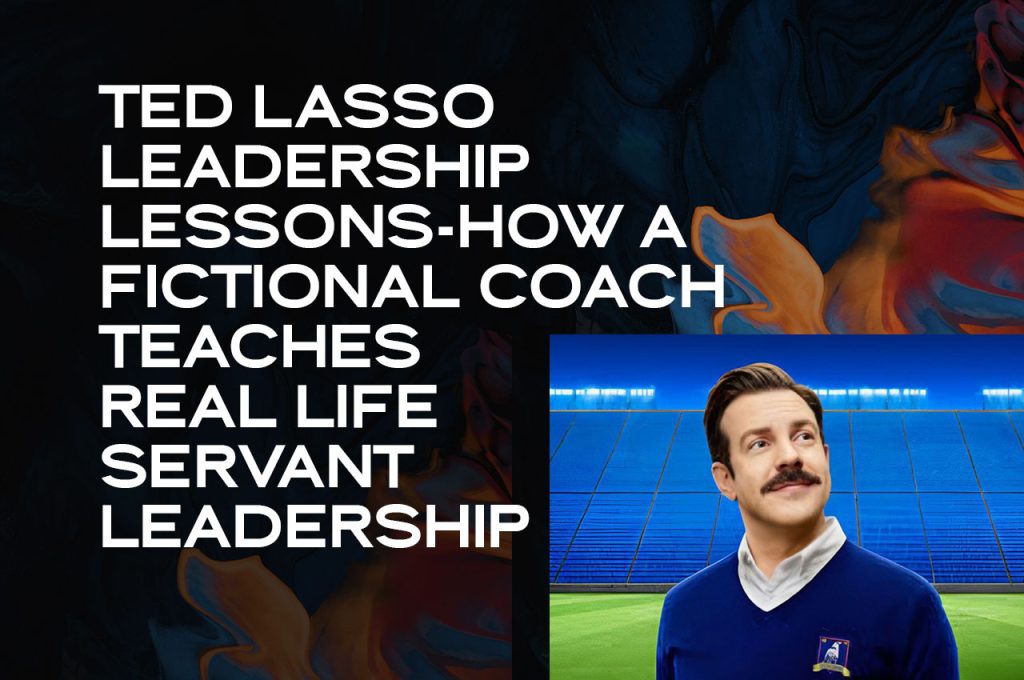
Do you miss Ted Lasso like I do?
During the pandemic my teenagers and I camped out on the couch and tore through Season 1 in what felt like a single weekend. We laughed, we teared up, we argued over favorite characters. By the time Season 2 and Season 3 came around, we were all in.
Now that the show is over, I miss it. I miss the biscuits. I miss the British quirks. I miss the awkward, lovable chaos of that locker room.
Most of all, I miss watching Ted lead.
Ted Lasso is not just a funny soccer show. It is one of the clearest pictures of servant leadership on television. Under the jokes and the one liners is a masterclass in humility, accountability, resilience, and mental wellness that every leader can learn from.
If you care about leadership, culture, or people, Ted Lasso leadership lessons are worth paying attention to.
From the moment he walks into AFC Richmond, Ted leads with people first.
He cares about who his players are as humans. He listens to the staff no one usually notices. He supports a boss who is quietly hurting. He brings out chairs, carries bags, and remembers birthdays. None of that shows up on a scoreboard, but it absolutely shows up in trust.
That is servant leadership in action. The question is not “How can this team make me look good”
The question is “How can I help these people grow”
Ted Lasso leadership is a reminder that real influence comes from how you treat people, not from your title.
One of the most refreshing parts of Ted Lasso is his humility.
He steps into a foreign sport, in a foreign country, with the entire crowd expecting him to fail. He does not fake it. He asks simple questions. He listens. He learns. He laughs at himself.
Trent Crimm nails it in one line. In a business that celebrates ego, Ted reins his in.
You see it in how he shows up with everyone. The kit man, the star striker, the owner, the fans. No one is beneath him. No one is above basic respect.
This humility is not self hatred. Ted does not pretend he is useless. He simply takes himself less seriously, which gives him room to stay curious and emotionally aware. He is free to notice what is happening with other people because he is not busy protecting his own image.
For modern leaders, this is one of the biggest Ted Lasso leadership lessons. Humility is not weakness. It is a competitive advantage. It builds a culture where people feel safe to speak up, take risks, and bring ideas forward.
Ted also sets a clear tone around accountability.
On his teams, actions matter. Choices have consequences. There is no sugarcoating that. But he never uses accountability as a hammer.
He calls out poor behavior without humiliating people. He names the problem and still holds on to belief in the person. He expects players to own their choices, learn from them, and keep growing.
The Nate storyline is the perfect example.
Nate betrays Ted and the club. It hurts. It is public. It cuts deep. Eventually, Nate turns back, admits what he did, and asks for a path home. Ted and the team choose to forgive him.
That does not erase the past. It does create a future.
This is a powerful Ted Lasso leadership lesson for any workplace. Accountability is not about punishment. It is about honesty, repair, and return. It says
You were wrong
You can do better
We will walk with you while you rebuild trust
Cultures that understand this do not have to choose between high standards and humanity.
Let us be honest. No one wanted Ted at Richmond in the beginning.
The fans chant against him. The media laughs at him. The players roll their eyes. Even his boss brought him in hoping he would fail.
Ted keeps going.
He listens. He adjusts. He stays kind even when people are not kind to him. He keeps believing in his players long before they are ready to believe in themselves.
Resilience, Ted Lasso style, is not fake positivity. It is not pretending everything is fine.
It is the ability to hold steady in the middle of criticism and change. It is that quiet internal voice that says
We will learn
We will adapt
We are not done yet
He is also deeply tuned in to what his team is carrying beneath the surface. He spots grief, insecurity, anger, fear. Because he pays attention, he can respond in ways that actually help.
In a world of constant disruption, Ted Lasso leadership offers a simple reminder. Resilient leaders feel the hit, tell the truth about it, then choose the next right step instead of giving up.
One of the boldest parts of the series is how it handles mental health.
Ted looks cheerful and steady on the outside. Behind the scenes, he is dealing with panic attacks, a painful divorce, and deep homesickness. At first he hides it. He works harder. He jokes more. He tries to outrun his anxiety.
Eventually he stops running.
He opens up to a therapist. He lets a few trusted people in. He says out loud that he is not okay. That shift changes everything.
Once Ted begins to own his mental health, everyone around him has more permission to do the same. Players have honest conversations. Rebecca admits her own pain. It becomes normal to talk about more than tactics and training.
Here is the leadership lesson.
Mental wellness is not separate from the job.
Mental wellness affects every decision, every relationship, every result.
Ted Lasso leadership brings this truth into the light. When leaders treat mental health as part of the conversation, they build stronger, more sustainable teams.
You do not need a whistle or a stadium to practice Ted Lasso leadership lessons. You can start where you are, today.
Try a few of these ideas.
Small, consistent choices like these reshape culture faster than any slogan.
So why spend this much time on a fictional coach
Because stories stick. We remember them. We replay them in our minds on hard days.
Ted Lasso leadership gives us a living picture of what it looks like to lead with humility, servant leadership, accountability, resilience, and care for mental wellness, all at once. It gives you something to point to and say,
That. I want more of that in my team.
Leaders who follow this path do not need to be the hero every time. They share power. They admit when they are wrong. They protect people, not just results. They rise through their own struggles and help others do the same.
If Ted Lasso has been sitting in your queue, consider this your nudge to start. If you have already watched the series, try watching a few episodes again with your leadership hat on. Notice how he builds trust. Notice how he apologizes. Notice how he supports people at their lowest.
Then ask yourself one simple question
What is one Ted style move I am willing to try this week
That is how change starts. One honest choice at a time.